

 rspcsee.org »
SEECP parliamentary cooperation
rspcsee.org »
SEECP parliamentary cooperation

Greece takes over presidency of regional cooperation process from Turkey
Turkey takes over presidency of regional cooperation process from Kosovo
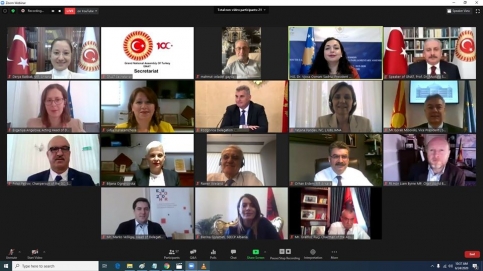
7th SEECP PA Plenary session, 24 June 2020, Prishtina

SEECP PA Participants
A Tale of Two Championships: Serie A and Serie B 2023-2024 Seasons
Italian football fans have a reason to celebrate, as the much-anticipated seasons of Serie A and Serie B are underway. Both leagues promise intense competitions, breathtaking plays, and new rising stars that will command the pitch. In this article, we delve into the highlights, key dates, and what fans can look forward to in both Serie A and Serie B.
Serie A: Where Elite Teams Clash
Kicking Off on August 19, 2023
The Serie A season commenced on August 19, 2023, and will continue until May 26, 2024. The top 20 clubs in Italy are vying for supremacy, showcasing some of the finest football talents in the world. Spectators are set for matches that promise high stakes and even higher levels of excitement.
Teams to Watch
Fan favorites like Juventus, Inter Milan, and AC Milan are in the spotlight as usual. However, dark horses like Atalanta and Napoli are worth keeping an eye on. Could this be the season that sees a shake-up in the traditional powerhouses of Serie A?
Key Dates
Mark your calendars for the clashes between top rivals, as these matches are often season-defining moments that could turn the tides in favor of one team over another.
Serie B: The Ascent of Future Stars
A Day Earlier: Starting on August 18, 2023
Just a day before Serie A, Serie B got its start on August 18, 2023, and will end on May 10, 2024. The competition is a breeding ground for up-and-coming talents, featuring 20 teams that are a mix of seasoned clubs and those recently promoted from Serie C.
Who’s Who in Serie B
While Serie A might steal the limelight, Serie B has its own set of exciting teams, each with its unique narratives. Clubs like Monza, Empoli, and SPAL have shown promise in recent years and are keen to make their ascent to Serie A.
The Road to Promotion
Serie B's top two clubs earn automatic promotion to Serie A, but the race for the third promotion spot, decided via playoffs, often provides unexpected and memorable moments. It's a battleground where dreams are made and shattered.
Where to Catch All the Action
For those keen to keep abreast of all the happenings, both in Serie A and Serie B, as well as other championships including World Cup, UEFA Champions League, and the European Championship, bookmark the website ilcalcio.net. It’s your one-stop destination for schedules, results, and updates across various football competitions.
From rising talents in Serie B to legendary footballers in Serie A, the Italian football scene promises yet another thrilling season. Whether you are a lifelong fan or new to the sport, the drama, skill, and emotion on display will certainly keep you glued to your seats.
SEECP participants - interactive map
1 July 2021
Greece takes over presidency of regional cooperation process from Turkey
From 1 July 2021 to 1 July 2022, Athens shall assume the Presidency of the...
3 July 2020
Turkey takes over presidency of regional cooperation process from Kosovo
Today Turkey took over the rotating presidency of the SEECPPA for the next...
30 June 2020
7th SEECP PA Plenary session, 24 June 2020, Prishtina
On 24 June 2020 SEECP Parliamentary Assembly was gathered for its 7th Plenary...

1169 Sofia
Bulgaria